Cart0
you have no items in your shopping cart.
 USD
/ USD Fx RATE
1.000
USD
/ USD Fx RATE
1.000
 NZD
/ USD Fx RATE
NZD
/ USD Fx RATE
 AUD
/ USD Fx RATE
USD
Fx RATE 1.000
AUD
/ USD Fx RATE
USD
Fx RATE 1.000

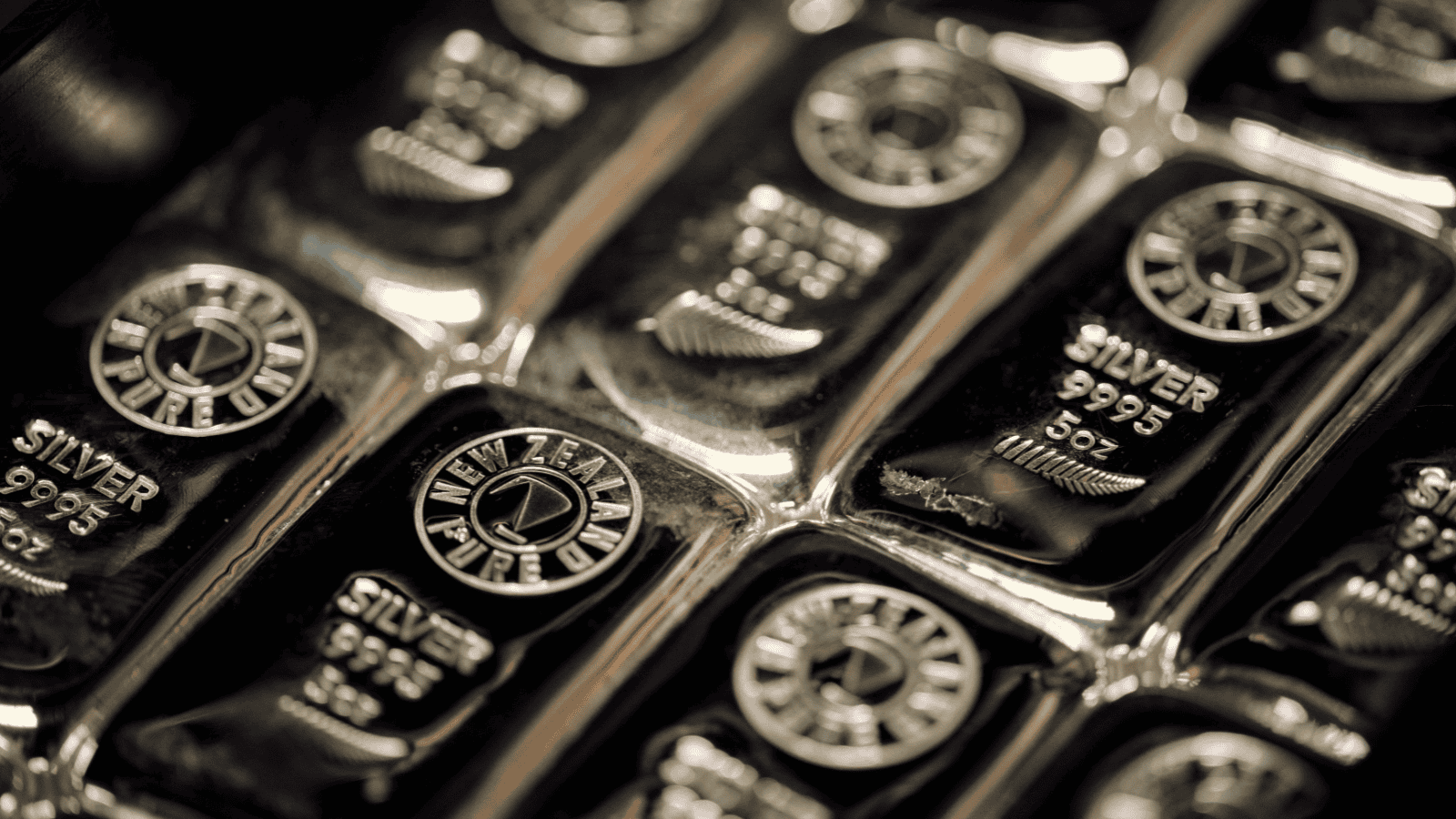
Silver has started the year with renewed momentum, and global commentary is increasingly aligned on one point: this move is being driven by fundamentals, not hype.
While silver has long lived in gold’s shadow, it is now being supported by a rare combination of monetary demand and real-world industrial consumption.
For investors, that dual role is what makes silver particularly compelling at this stage of the cycle.
In the near term, silver is benefiting from a familiar mix of forces: heightened geopolitical risk, ongoing pressure on major currencies, and growing expectations that interest rates may eventually ease. Historically, these conditions have supported precious metals, with silver often showing sharper moves than gold as capital looks for value within the sector.
But unlike gold, silver has a second engine: industry.
As Tony Coleman, Managing Director of New Zealand Gold Merchants, explains:
“Silver is the metal where the real economy meets real money. It’s both an industrial necessity and a monetary hedge.”
This dual demand profile gives silver a fundamentally different foundation. Even when investor sentiment fluctuates, physical demand from manufacturers continues, providing an underlying floor that purely monetary assets do not have.
A growing share of global silver demand now comes from industrial use. Solar photovoltaics, electrification, medical applications and advanced electronics are no longer niche drivers, they are embedded in long-term infrastructure and technology trends. In many of these applications, silver is consumed rather than stored, permanently removing supply from the market.
This matters because silver supply is unusually inflexible.
Much of the world’s silver production is a by-product of mining for other metals such as copper, lead and zinc. As a result, higher silver prices alone do not automatically lead to increased supply.
Coleman notes:
“Because most silver is mined as a by-product, supply is structurally inflexible. When demand rises from technology and electrification, prices can move faster than people expect.”
This dynamic helps explain why analysts continue to focus on persistent supply deficits. Multiple consecutive years where demand has exceeded supply have gradually drawn down above-ground inventories, tightening the market over time.
Gold’s primary role is monetary: it protects purchasing power and acts as a hedge against currency debasement. Silver shares that function, but its industrial role adds another dimension.
“Gold protects purchasing power,” says Coleman. “Silver adds torque. Used together, they can play very different but complementary roles in a portfolio.”
That added volatility is not a flaw – it is a feature. When monetary and industrial demand align, silver can respond more aggressively than gold, particularly during periods of economic transition or renewed investment in physical infrastructure.
Silver is not a replacement for gold, but many investors now view it as a strategic complement. It may suit those looking to:
Silver’s longer-term outlook is being shaped by forces that extend well beyond short-term market sentiment. Tight supply, durable industrial demand, and renewed investor interest are combining in ways that could continue to support prices over time.
For investors looking to augment a precious metals allocation, silver increasingly stands out as an asset that can hedge uncertainty while also participating in global technological change.
Silver is being supported by heightened geopolitical risk, pressure on major currencies and expectations that interest rates may eventually ease. At the same time, strong industrial demand continues to underpin the market.
A growing share of global silver demand comes from solar photovoltaics, electrification, medical applications and advanced electronics. In many of these uses, silver is consumed rather than stored, permanently removing supply from the market.
Much of the world’s silver production is a by-product of mining other metals such as copper, lead and zinc. Because of this, higher silver prices alone do not automatically lead to increased supply.
Gold is primarily held as a monetary hedge, while silver has both monetary and industrial drivers. When these forces align, silver can respond more aggressively than gold and tends to be more volatile.
Silver is not a replacement for gold, but many investors view it as a strategic complement. It can offer diversification and exposure to long-term technology and electrification trends, with higher potential volatility.




 Defining the Battlefield: The Gold Paradox
 How can I find out what my scrap gold or silver is worth before I sell it?
 Why Global Institutions Still See Gold as a Core Long-Term Investment
 When Gold Isn’t Gold: Why Buying Well Matters
 Markets jolt after U.S.–Israeli strikes on Iran – gold rises as investors seek safety